

In today’s competitive digital landscape, brands face a critical decision: invest heavily in paid advertisements for immediate visibility, or build a sustainable organic content strategy that grows over time. While paid ads can produce quick results, organic content is increasingly proving to be more effective, cost-efficient, and long-lasting.
Organic content includes blogs, videos, social media posts, infographics, podcasts, and other assets designed to deliver value without direct advertising. In this article, we’ll explore why organic content is winning over paid ads and support it with examples, studies, and actionable insights.

1. Builds Trust and Credibility
Consumers are smarter and more selective than ever. Organic content provides value without the pressure of a hard sell, helping position a brand as an authority.
- A blog post offering actionable tips or a how-to video that solves a problem can significantly increase trust.
- According to the 2023 Edelman Trust Barometer, 81% of consumers say trust in a brand strongly influences their purchasing decisions.
Paid ads are often perceived as intrusive or overly promotional, which can reduce credibility over time. Organic content, by contrast, nurtures long-term relationships with audiences.
2. Cost-Effective Marketing
Paid advertisements provide immediate results but require continuous investment. Once the budget ends, visibility disappears. Organic content, however, is a long-term asset.
A single, well-researched article optimized for search engines can generate leads months or even years after publication. Social media posts that encourage engagement and sharing can increase reach without any extra cost. Over time, organic content provides higher ROI than paid campaigns because it continues to drive traffic and leads long after it’s published.
- A single, SEO-optimized blog post can generate leads for months or years.
- Social media content that encourages engagement and sharing expands reach organically.
- Case Study: eZdia rewrote 300 pages for SEO and saw 3× higher ROI from organic content compared to paid campaigns.
Over time, organic content consistently delivers higher ROI because it continues to attract leads long after initial publication.
3. SEO Benefits That Last
Organic content is the foundation of search engine optimization (SEO). High-quality, relevant content improves search rankings and attracts traffic naturally. Long-tail keywords, comprehensive guides, and evergreen content establish authority in your niche, reducing reliance on paid campaigns and boosting long-term visibility.
- Evergreen articles, long-form guides, and keyword-optimized blogs position brands as authorities in their niche.
- Terakeet reports that organic search can deliver a 5× to 12.2× ROI, depending on the business.
Paid ads may drive traffic quickly, but organic content creates a self-reinforcing pipeline of consistent, sustainable traffic.
4. Higher Engagement and Retention
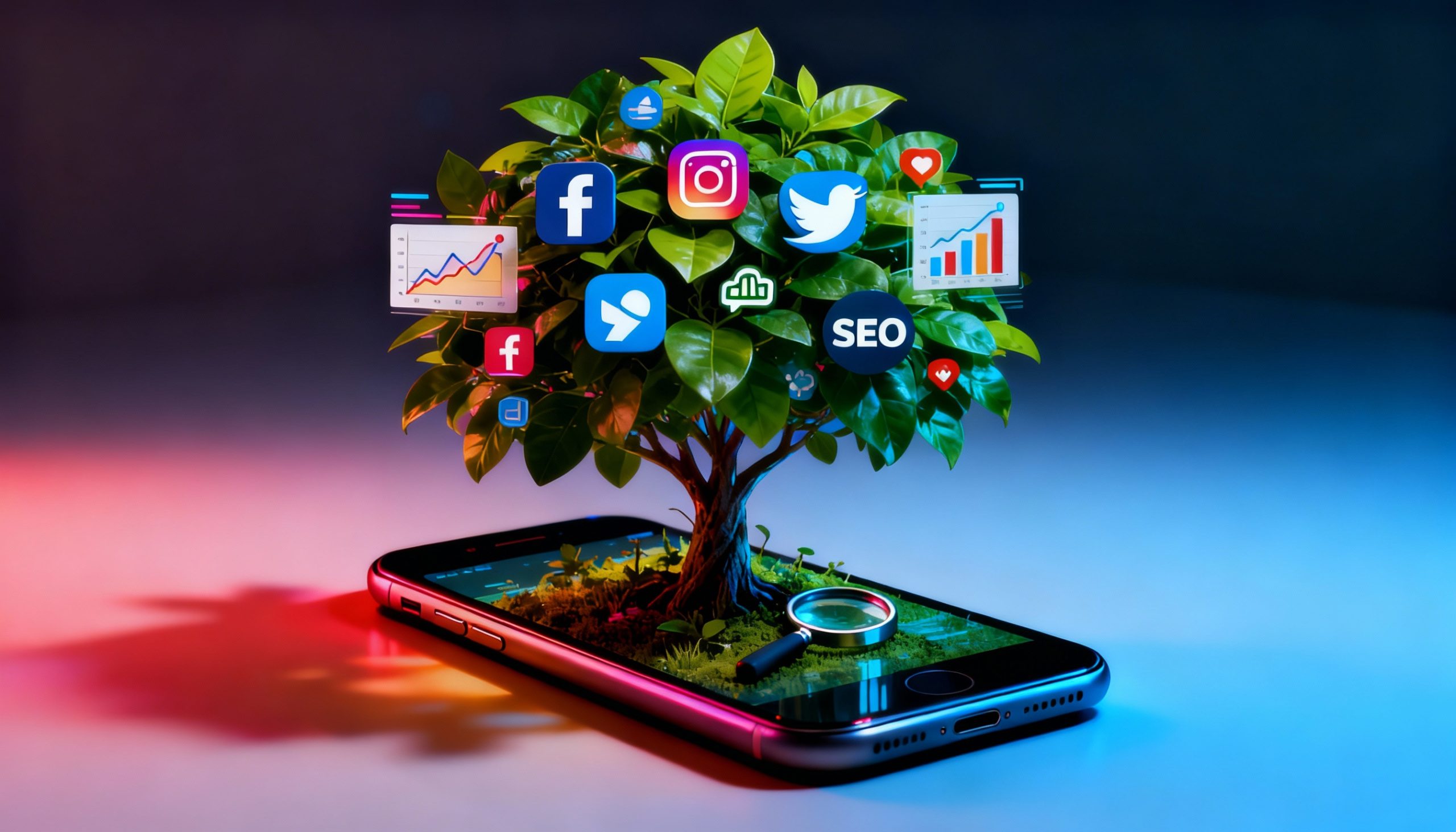
One of the biggest advantages of organic content is its role in Search Engine Optimization (SEO). Search engines reward high-quality, relevant content with better rankings, which increases visibility without paying for clicks.
For instance, long-form guides, evergreen articles, and keyword-optimized blogs can position a brand as a trusted resource in its niche. Over time, these content pieces generate consistent traffic, improve domain authority, and reduce reliance on paid advertising. Paid ads may drive traffic immediately, but once campaigns stop, so does the visibility. Organic content, by contrast, creates a sustainable, self-reinforcing traffic pipeline.
5. Adaptable and Evergreen
Organic content is highly versatile. Blogs can be repurposed into videos, infographics, newsletters, or social media posts. Tutorials or evergreen guides can remain relevant for years, consistently attracting new audiences. Paid campaigns, in contrast, are temporary and disappear once the budget is exhausted.
The adaptability of organic content allows brands to maximize the value of every piece created, turning a single article or post into multiple marketing assets across platforms.
6. Valuable Audience Insights
Organic strategies offer deep insights into audience behavior. Analytics tools allow marketers to see which topics resonate, how users interact with content, and what drives engagement. This information informs future marketing decisions and content planning.
While paid campaigns track clicks and conversions, they often fail to provide insights into audience preferences, long-term engagement, or content performance trends, making organic strategies far more informative for brand growth.

7. Supports Long-Term Brand Authority
Organic content is essential for building lasting authority. Brands that consistently publish valuable content become go-to resources in their industry. This authority not only drives organic traffic but also enhances credibility in partnerships, PR opportunities, and social proof. Paid ads, though effective for short-term campaigns, cannot establish the same level of authority or thought leadership.
Brands that focus on organic content create backlinks naturally, increasing domain authority and search rankings.
Conclusion
Paid ads still have a place in digital marketing for immediate visibility and short-term campaigns. However, organic content wins in the long run by building trust, fostering engagement, improving SEO, and creating lasting brand authority.
Investing in high-quality, value-driven content helps brands connect with their audience authentically, achieve sustainable traffic, and maximize ROI. While paid ads may drive quick results, organic content is the cornerstone of a successful, long-term marketing strategy.
Organic content isn’t just a marketing tactic but a strategic investment that pays dividends over time, outperforming paid ads in credibility, cost-effectiveness, and engagement.