



In a world where first impressions happen in seconds, consistency is what builds recognition and recognition is what builds trust. Whether you’re a startup finding your voice or a well-established company refining it, a brand book is the backbone of your visual and verbal identity.
It’s not just a document . it’s the blueprint of your brand story, defining how your business should look, sound, and feel across every touchpoint.
What Is a Brand Book?
A brand book (also known as brand guidelines or a style guide) is a comprehensive document that outlines how your brand should be presented to the world. It ensures everyone – from designers to copywriters to external partners – communicates your brand in a consistent and recognizable way.
A strong brand book typically includes:
- Logo usage: placement, spacing, and variations.
- Color palette: primary, secondary, and accent colors.
- Typography: fonts for print and digital use.
- Imagery style: photography direction, tone, and filters.
- Voice and tone: how your brand “speaks” in writing and visuals.
- Brand story and mission: your why, the emotional foundation behind your brand.
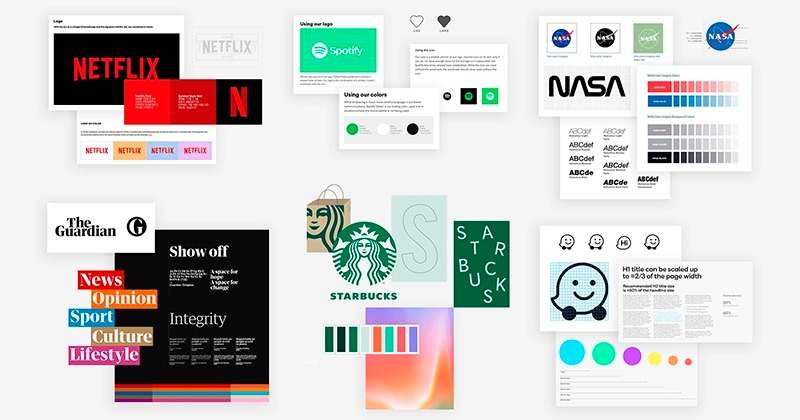
Why Every Business Needs a Brand Book
1. Consistency Builds Trust
When your visuals and tone align across all platforms, your audience instantly recognizes you. Whether it’s your Instagram post, your packaging, or your website — everything feels unified.
That consistency breeds credibility and trust, two elements that directly influence buying decisions.
According to Lucidpress consistent branding can increase revenue by 23%.
It Simplifies Collaboration
Imagine working with a new designer or agency. Without a brand book, every project starts from scratch. With one, they instantly know your logo spacing, tone of voice and preferred color codes, no endless back-and-forths, no guesswork.
A brand book saves time, reduces miscommunication and ensures your brand looks cohesive, no matter who’s working on it.
It Keeps Your Team Aligned
Your employees are your brand ambassadors. A brand book gives them a clear understanding of what the company stands for and how it should be represented in every action, message and visual choice. From LinkedIn posts to internal presentations, alignment means professionalism and professionalism builds reputation.
It Helps You Tell a Stronger Brand Story
Your brand story is the emotional thread connecting your business to your audience. The brand book ensures that this story stays consistent, not only in words but also in visuals.
Take Airbnb, for example. Their brand book centers around the idea of “Belong Anywhere,” and every photo, font and piece of copy reinforces that sense of warmth and inclusivity.
Similarly, Spotify’s vibrant color palette and playful typography reflect its energetic, youth-driven brand story, while maintaining visual consistency across ads, playlists, and campaigns.
It Helps You Tell a Stronger Brand Story
Your brand story is the emotional thread connecting your business to your audience. A brand book ensures that this story stays consistent not only in words but also in visuals.
Take Patagonia, for example. Their brand revolves around the idea of “saving our home planet.” Every design choice, from earthy tones to authentic outdoor photography, communicates a message of environmental responsibility and simplicity. You can feel their purpose in every touchpoint.
Meanwhile, Mailchimp’s playful illustrations, conversational tone and bold yellow palette perfectly express their story of empowering small businesses through creativity and confidence. Their brand book embraces imperfections and personality, reinforcing that professional doesn’t have to mean corporate.
Or consider IKEA, whose design guidelines bring their Scandinavian values of simplicity, functionality and accessibility to life. Their visuals, typography and even product photography all reflect the same narrative, “democratic design for everyone.”
Each of these examples shows how a well-crafted brand book becomes more than a design reference, the visual and emotional expression of your brand story.

5. It Strengthens Brand Recognition and Longevity
Think about Coca-Cola’s red, Apple’s minimalist aesthetic, or Nike’s “Just Do It” confidence. Those aren’t random creative choices. They’re the result of decades of brand consistency rooted in solid brand guidelines.
A brand book ensures that no matter how your company evolves, your visual DNA remains recognizable and timeless.
Real Example: How Spontan Creative Media Approaches Brand Books
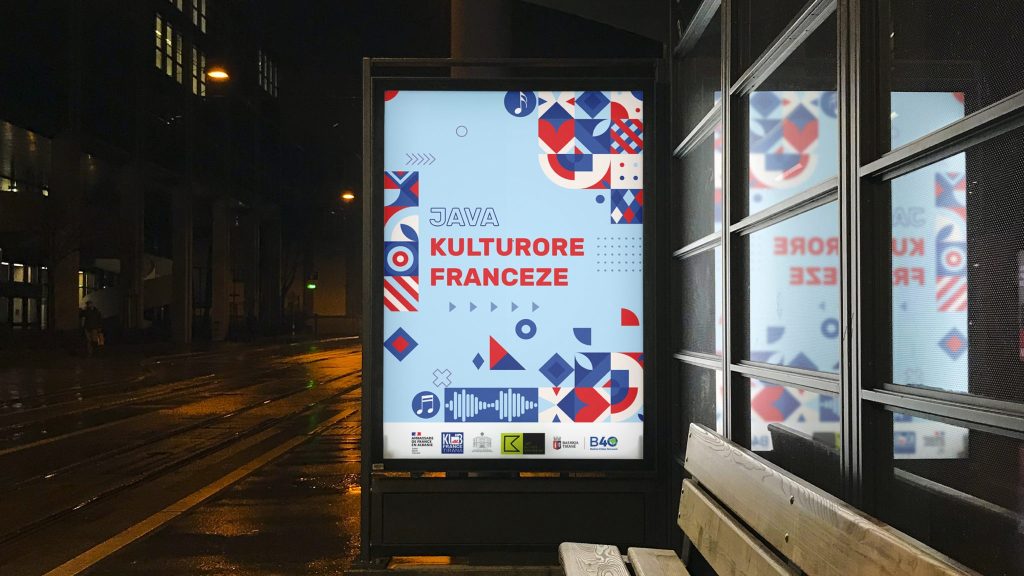
At Spontan Creative Media, we view a brand book as a strategic tool, not just a design manual.
When we developed the French Cultural Week brand identity, for example, the brand book served as a bridge between creativity and consistency, guiding every poster, social media post, and digital campaign to speak the same visual language.
Every element, from logo spacing to photography tone, was chosen to tell the same brand story: modernity meeting culture.
A Brand Book Is Your Brand’s Compass
Your brand book isn’t a one-time project. It’s a living document that grows with your business. As your products, services and platforms evolve, your brand guidelines ensure you never lose your voice in the noise.
In short, a brand book keeps your story clear, your image strong and your business memorable.